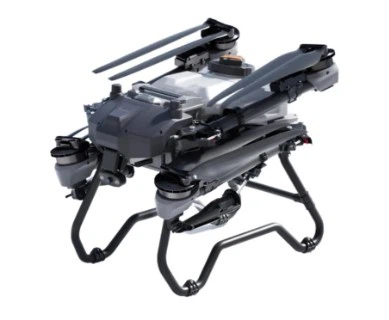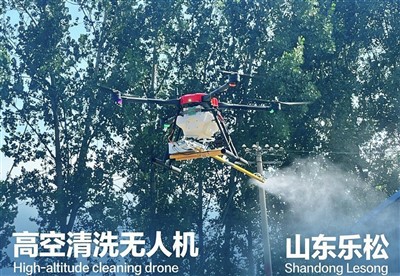

Hey there! I'm a supplier of the Fiber Optic Barrel Drone, and today I'm super stoked to chat with you about whether this bad - boy can be used for oil and gas pipeline inspection.
Let's start with a bit of background. Oil and gas pipelines are like the veins of the energy industry. They stretch for miles, often through some of the most remote and harsh terrains. Regular inspections of these pipelines are crucial. Why? Well, to detect any signs of corrosion, leaks, or structural damage. Early detection can prevent major disasters, save millions of dollars, and protect the environment.
Now, let's talk about our star, the Fiber Optic Barrel Drone. This isn't your average drone. The Fiber Optic Barrel Drone is equipped with a fiber - optic connection, which is a game - changer in the world of drones. Fiber - optic cables offer some amazing advantages. First off, they provide an incredibly stable and high - speed data connection. This means that the drone can send real - time video and sensor data back to the operator without any lag or interference.
When it comes to oil and gas pipeline inspection, real - time data is gold. Imagine being able to see exactly what's going on with a pipeline as the drone flies over it. You can spot small leaks, signs of wear and tear, or even unauthorized access points. With the high - definition cameras on the Fiber Optic Barrel Drone, you get crystal - clear visuals. And because of the fiber - optic connection, these images are transmitted instantly to your control station.
Another great thing about fiber - optic technology is its immunity to electromagnetic interference. Oil and gas pipelines often have electrical equipment nearby, and traditional wireless communication systems can get messed up by the electromagnetic fields. But the fiber - optic connection on our drone doesn't care about that. It just keeps on sending data, no matter what's going on around it.
Let's also consider the range. The Fiber - Optic Guided Drone has a long operational range, which is perfect for pipeline inspections. Pipelines can stretch for hundreds of miles, and with this drone, you can cover a large area in a relatively short time. You don't have to worry about losing the signal or having the drone fly out of range. The fiber - optic cable acts like a long - distance tether that keeps the drone connected and under your control.


Safety is another huge factor. Oil and gas pipelines are often located in dangerous areas, like near chemical plants or in remote wilderness. Sending a human inspector into these areas can be risky. But with the Fiber Optic Barrel Drone, you can do the inspection from a safe distance. You can control the drone from a control room or a safe location on the ground, reducing the risk of injury or exposure to hazardous materials.
Now, let's talk about the sensors. The Fiber Optic Barrel Drone can be equipped with a variety of sensors. For example, it can have gas sensors to detect any leaks of natural gas or other hydrocarbons. These sensors are highly sensitive and can detect even the smallest traces of gas. There can also be infrared sensors to detect temperature variations. A sudden change in temperature along a pipeline could indicate a problem, like a blockage or a leak.
But it's not all sunshine and rainbows. There are a few challenges that we need to keep in mind. One of the main challenges is the deployment of the fiber - optic cable. When the drone is flying, the cable needs to be unrolled smoothly without getting tangled. We've spent a lot of time and effort in designing a cable deployment system that works efficiently. Our engineers have come up with a special mechanism that ensures the cable is released at a steady rate and doesn't get caught on any obstacles.
Another challenge is the cost. The technology behind the Fiber Optic Drones is relatively new, and the initial investment can be high. But think about the long - term benefits. The cost of preventing a major pipeline disaster, the savings in inspection time, and the increased safety far outweigh the initial cost. Plus, as the technology matures and more units are produced, we expect the cost to come down.
Training is also important. Operators need to be trained to use the Fiber Optic Barrel Drone effectively. But don't worry, we've got you covered. We offer comprehensive training programs for our customers. In fact, we also have an FPV Training Drone that operators can use to practice their skills before taking on more complex pipeline inspections.
In conclusion, the Fiber Optic Barrel Drone has great potential for oil and gas pipeline inspection. Its fiber - optic technology provides stable data transmission, long - range operation, and immunity to interference. It offers high - quality imaging and the ability to be equipped with various sensors for in - depth inspections. While there are some challenges, the benefits clearly outweigh them.
If you're in the oil and gas industry and are looking for a reliable, efficient, and safe way to inspect your pipelines, the Fiber Optic Barrel Drone is definitely worth considering. I invite you to reach out to us for more information and to start a discussion about how this amazing piece of technology can fit into your pipeline inspection needs. Let's work together to make your pipeline inspections easier, safer, and more effective.
References:
- Industry reports on oil and gas pipeline inspection technologies
- Research papers on fiber - optic communication in drones.