
Are thermal imaging drones legal to use? This is a question that many potential users, especially those in industries like construction, agriculture, and search - and - rescue, often ask. As a supplier of Thermal Imaging Drones, I am frequently confronted with inquiries regarding the legal aspects of these remarkable devices.
Understanding Thermal Imaging Drones
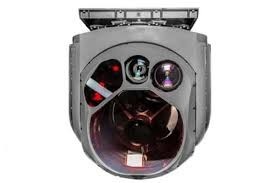
Thermal imaging drones are equipped with specialized cameras that detect infrared radiation. This technology allows them to create images based on the heat emitted by objects and living beings. Unlike traditional cameras that rely on visible light, thermal imaging cameras can "see" in the dark, fog, and through some types of obscurants. This makes them incredibly useful for a wide range of applications, from detecting heat leaks in buildings to tracking wildlife.
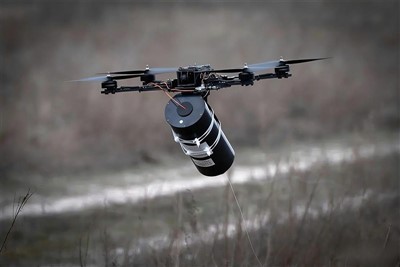
There are different types of drones in our catalog. For instance, the Infrared Thermal Imaging Monitoring Drone is specifically designed for long - term monitoring tasks. It can be programmed to fly pre - defined routes and collect thermal data at regular intervals. Another type is the Radar Reconnaissance Drone, which combines radar technology with thermal imaging for enhanced surveillance capabilities. And the Digital Zoom Drone offers the ability to zoom in on distant objects while still capturing high - quality thermal images.
Legal Framework in Different Regions
United States
In the United States, the Federal Aviation Administration (FAA) regulates the use of drones, including thermal imaging ones. To fly a drone for commercial purposes, operators must obtain a Remote Pilot Certificate. They also have to follow rules such as flying below 400 feet, keeping the drone within visual line - of - sight, and not flying over people.
When it comes to privacy laws, thermal imaging can be a sensitive issue. The Fourth Amendment protects against unreasonable searches and seizures. In some court cases, the use of thermal imaging by law enforcement without a warrant has been challenged. However, for commercial and non - law - enforcement uses, as long as the drone operator respects the privacy of individuals, the use of thermal imaging drones is generally legal. For example, in building inspections, the operator is focused on the structure itself, not on the people inside.


European Union
The EU has a unified set of rules for drone operations. The European Union Aviation Safety Agency (EASA) classifies drones based on their weight and risk level. Thermal imaging drones fall into different categories depending on their size and intended use.
Privacy laws in the EU are very strict under the General Data Protection Regulation (GDPR). Any data collected by thermal imaging drones, including personal information that can be inferred from the thermal images, must be handled in accordance with the GDPR. Operators need to have a legitimate basis for data collection, such as consent or a legal obligation.
Other Regions
Many other countries have their own regulations for drone use. In some, the focus may be more on airspace safety, while in others, privacy concerns are at the forefront. Some countries may require registration of drones, training for operators, or specific permissions for certain types of flights.
Legal Uses of Thermal Imaging Drones
Construction
In the construction industry, thermal imaging drones are used to detect heat leaks in buildings under construction. By identifying areas where insulation is not working properly, construction teams can make adjustments before the building is completed. This not only saves energy in the long run but also improves the comfort of the building's occupants.
Agriculture
Farmers can use thermal imaging drones to monitor crop health. Plants emit different levels of heat depending on their water stress and nutrient levels. By analyzing the thermal images, farmers can identify areas of the field that need more irrigation or fertilization, leading to more efficient use of resources and higher yields.
Search and Rescue
In search and rescue operations, thermal imaging drones are invaluable. They can quickly scan large areas of land or water, even in low - light conditions, to detect the heat signatures of missing persons. This can significantly reduce the time it takes to locate survivors, increasing the chances of a successful rescue.
Illegal Uses and Consequences
Illegal uses of thermal imaging drones mainly involve privacy violations and airspace infringement. If a drone operator uses a thermal imaging drone to invade someone's privacy, such as spying on individuals in their homes or private property, they can face civil and criminal charges.
Airspace infringement is also a serious offense. Flying a drone in restricted airspace, such as near airports or military installations, can pose a significant safety risk. Penalties can include fines, confiscation of the drone, and even imprisonment in some cases.
Tips for Legal Use
If you are considering using a thermal imaging drone, here are some tips to ensure you stay within the law:
- Get proper training: Obtain the necessary certifications and training for drone operation. This will ensure you are aware of all the rules and regulations and can operate the drone safely.
- Respect privacy: Do not use the drone to invade the privacy of others. If you are collecting data, make sure you have a legitimate reason and comply with data protection laws.
- Follow airspace rules: Know the restricted airspace in your area and avoid flying in those zones. Use mapping tools and apps to check for any temporary flight restrictions.
- Keep records: Keep records of your flights, including the date, time, location, and purpose of the flight. This can be useful in case you are questioned about your drone use.
Conclusion
In conclusion, thermal imaging drones are legal to use in many cases, but it is crucial to comply with the relevant laws and regulations. As a supplier of Thermal Imaging Drones, we are committed to providing our customers with high - quality products and also ensuring they are aware of the legal requirements.
If you are interested in purchasing thermal imaging drones for your business or personal use, we invite you to contact us for more information. We can help you choose the right drone for your specific needs and provide guidance on legal operation. Our team of experts is ready to assist you in making the best decision.
References
- Federal Aviation Administration (FAA) regulations on drone use in the United States.
- European Union Aviation Safety Agency (EASA) rules for drone operations in the EU.
- General Data Protection Regulation (GDPR) in the EU.
- Court cases related to the use of thermal imaging in the United States.