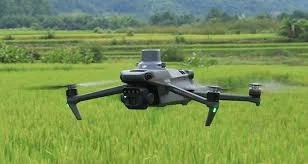

Hey there! I'm an industry insider working with a commercial fire drone supplier. Today, I want to break down the differences between commercial fire drones and regular drones. It's a topic that's super relevant, especially considering how drones are becoming more common in various fields.
Design and Build
Let's start with the design. Regular drones are like the all - purpose gadgets of the sky. They're built for a wide range of uses, from taking cool aerial photos and videos for hobbyists to some basic surveying work. They're usually lightweight and have a sleek, simple design. The focus is on portability and ease of use. You can easily toss a regular drone in your backpack and head out for a day of flying.
On the other hand, commercial fire drones are like the heavy - duty trucks of the sky. They're designed to withstand harsh environments, especially the extreme heat and smoke of a fire. These drones are often bulkier and more robust. They need to be able to carry heavy payloads, like fire - extinguishing agents or high - tech sensors. For example, the Professional Firefighting Drone is built with heat - resistant materials and a sturdy frame to ensure it can operate in the most challenging conditions.
Payload Capacity
Payload is another key difference. Regular drones typically have a limited payload capacity. They might be able to carry a small camera or a light - weight sensor. This is because their main functions are usually related to capturing images or doing simple data collection.
Commercial fire drones, however, are designed to carry much heavier loads. They can transport fire - extinguishing chemicals, water, or advanced sensors for detecting the intensity and spread of a fire. The Forest Fire Extinguishing Dron can carry a significant amount of fire - retardant material, allowing it to cover a large area quickly and help control forest fires.
Flight Performance
When it comes to flight performance, regular drones are often optimized for agility and maneuverability. They can fly at relatively low speeds and are great for getting up close to objects or taking smooth, stable aerial shots. They usually have a limited flight range and battery life, which is fine for short - duration recreational or basic commercial activities.
Commercial fire drones need to have a much longer flight range and endurance. They might have to cover large areas of a burning building or forest, so they're equipped with high - capacity batteries or fuel systems. They also need to be able to fly in adverse weather conditions, such as strong winds and heavy smoke. The Wingspan VTOL Fixed - Wing Reconnaissance UAV With Payload Capability combines the vertical take - off and landing (VTOL) capabilities of a multi - rotor drone with the long - range efficiency of a fixed - wing drone, making it ideal for large - scale fire monitoring.
Sensor and Technology
Regular drones often come with basic sensors, such as a camera for imaging and a GPS for navigation. These sensors are mainly used for capturing visual data and keeping the drone on track during flight.
Commercial fire drones are equipped with a wide array of advanced sensors and technologies. They have thermal imaging cameras to detect hotspots in a fire, gas sensors to identify dangerous fumes, and LIDAR sensors for mapping the terrain and the structure of a burning building. These sensors provide crucial information to firefighters, helping them make informed decisions about how to approach a fire. The Fire Put Out Drone uses these advanced sensors to accurately target the source of a fire and deliver the appropriate amount of extinguishing agent.


Safety Features
Safety is a top priority for both types of drones, but commercial fire drones have additional safety features. Regular drones usually have basic safety features like obstacle avoidance and return - to - home functions. These are important for preventing collisions and ensuring the drone can come back safely if something goes wrong.
Commercial fire drones, however, need to have more sophisticated safety features. They have redundant systems in case of component failures, such as multiple flight controllers and backup power sources. They also need to be able to operate in a way that doesn't interfere with other emergency response equipment. The Disaster Relief Fire Drone is designed with these enhanced safety features to ensure it can operate safely in the chaotic environment of a disaster.
Cost
Cost is a significant difference between the two. Regular drones can be relatively inexpensive, especially the entry - level models. You can find a basic consumer drone for a few hundred dollars. These are great for hobbyists who just want to have some fun flying and taking pictures.
Commercial fire drones, on the other hand, are a much bigger investment. The cost of developing and manufacturing these drones with all the advanced features and capabilities is high. They also require specialized training to operate. However, the benefits they provide in terms of fire - fighting efficiency and safety can far outweigh the cost in many situations.
Regulatory Requirements
The regulatory requirements for regular drones and commercial fire drones are quite different. Regular drones, especially those used for recreational purposes, often have fewer regulations. In many countries, you might just need to register your drone and follow some basic flight rules, like flying below a certain altitude and keeping the drone in your line of sight.
Commercial fire drones, however, are subject to much stricter regulations. They need to meet specific safety and performance standards set by aviation authorities. Operators also need to have special licenses and training. This is because they are used in life - saving operations and need to be reliable and safe.
If you're in the market for a commercial fire drone, you're in the right place. The advanced features and capabilities of our commercial fire drones can significantly enhance fire - fighting operations, whether it's in urban areas, forests, or disaster - relief scenarios. We understand the unique needs of fire departments and emergency responders, and our drones are designed to meet those needs head - on.
If you're interested in learning more about our commercial fire drones or want to discuss a potential purchase, don't hesitate to reach out. Let's start a conversation about how our drones can make a difference in your fire - fighting efforts.
References
- Drone Industry Insights. "Understanding Drone Regulations."
- Fire Safety Journal. "The Role of Drones in Modern Fire - Fighting."
- Aviation Week. "Advancements in Drone Technology for Emergency Response."