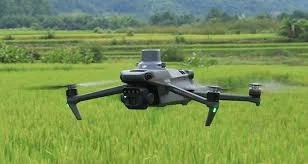

In the ever - evolving landscape of modern agriculture, the integration of advanced technologies has become a game - changer. One such innovation that has gained significant traction is the use of agricultural drones. As an agricultural drone supplier, I often get asked whether these drones can be effectively used for vineyard management. In this blog, I'll delve into the various aspects of this question, exploring the potential applications, advantages, and limitations of using agricultural drones in vineyards.
Potential Applications of Agricultural Drones in Vineyard Management
Crop Monitoring
One of the primary uses of agricultural drones in vineyards is crop monitoring. Drones equipped with high - resolution cameras and multispectral or hyperspectral sensors can capture detailed images of the vines. These images can provide valuable information about the health of the vines. For example, by analyzing the spectral reflectance of the leaves, we can detect early signs of nutrient deficiencies, pests, or diseases. Professional drones, such as those available at Professional, can fly at specific altitudes and capture data over large vineyard areas in a short time. This allows vineyard managers to identify problem areas precisely and take timely action.
Mapping and Surveying
Drones are excellent tools for creating accurate maps of vineyards. They can generate topographical maps that highlight elevation changes, slope gradients, and drainage patterns. This information is crucial for vineyard planning, such as determining the best locations for new vine plantings. Additionally, drones can create orthomosaic maps, which are high - resolution, georeferenced images that show the exact layout of the vineyard. These maps can be used for inventory management, tracking the growth of individual vines, and planning irrigation systems.
Spraying Operations
The use of drones for spraying in vineyards is a rapidly growing application. Liquid Fertilizer Drone and Agricultural Drones for Spraying have the ability to precisely apply pesticides, fertilizers, and other agro - chemicals. They can fly at low altitudes and distribute the substances evenly over the vines. This targeted approach reduces the amount of chemicals used, minimizing environmental impact and cost. Moreover, drones can access areas that are difficult to reach by traditional spraying equipment, such as steep slopes or areas with dense foliage.
Irrigation Management
Drones can also play a role in irrigation management. By using thermal imaging cameras, they can detect variations in soil moisture levels across the vineyard. This data can be used to create irrigation schedules that are tailored to the specific needs of different parts of the vineyard. For instance, if a particular area shows signs of dryness, the irrigation system can be adjusted to provide more water to that area. This not only conserves water but also ensures that the vines receive the optimal amount of moisture for healthy growth.
Advantages of Using Agricultural Drones in Vineyard Management
Efficiency
One of the most significant advantages of using agricultural drones is the increased efficiency they offer. Drones can cover large vineyard areas much faster than manual labor or traditional machinery. For example, a drone can complete a crop monitoring survey of a large vineyard in a matter of hours, whereas the same task might take days if done manually. This allows vineyard managers to make quick decisions based on up - to - date information.
Precision
Drones enable precise application of agro - chemicals and targeted monitoring. They can be programmed to fly specific routes and apply substances at exact locations. This precision reduces waste and ensures that the vines receive the right amount of treatment. In the case of Heavypayload Agricultural Drone Crop Spraying models, they can carry a significant amount of chemicals and distribute them with high accuracy, even in challenging vineyard terrains.
Cost - effectiveness
Although the initial investment in an agricultural drone might seem high, in the long run, it can be a cost - effective solution for vineyard management. By reducing the amount of chemicals used, minimizing labor costs, and improving crop yields, drones can provide a good return on investment. Additionally, drones can help prevent crop losses by detecting problems early, which can save vineyard owners a substantial amount of money.
Safety
Using drones in vineyard management can improve safety for workers. Instead of sending workers into potentially hazardous areas, such as steep slopes or areas with chemical exposure, drones can be used to perform tasks like spraying and monitoring. This reduces the risk of accidents and injuries in the vineyard.
Limitations of Using Agricultural Drones in Vineyard Management
Weather Conditions
Drones are highly dependent on weather conditions. Strong winds, rain, and fog can limit their flight capabilities. For example, high winds can make it difficult for drones to maintain a stable flight path, which can affect the accuracy of data collection and spraying operations. In some cases, adverse weather conditions might require the cancellation of drone flights, delaying important vineyard management tasks.
Regulatory Constraints
The use of agricultural drones is subject to various regulations. In many countries, operators need to obtain a license to fly drones commercially. There are also restrictions on flight altitudes, no - fly zones, and privacy concerns. These regulations can make it more challenging for vineyard managers to use drones freely. Additionally, compliance with these regulations requires time and effort, which can add to the overall cost of using drones in vineyard management.
Technical Expertise
Operating agricultural drones requires a certain level of technical expertise. Vineyard managers or operators need to be trained in drone flight, data analysis, and equipment maintenance. If the operators do not have the necessary skills, it can lead to inaccurate data collection, poor spraying results, or even damage to the drones. Training programs are available, but they also come with a cost and time commitment.
Conclusion
In conclusion, agricultural drones have great potential for vineyard management. They offer a range of applications, from crop monitoring to spraying and irrigation management. The advantages of using drones, such as efficiency, precision, cost - effectiveness, and safety, make them an attractive option for vineyard owners and managers. However, there are also limitations, including weather conditions, regulatory constraints, and the need for technical expertise.

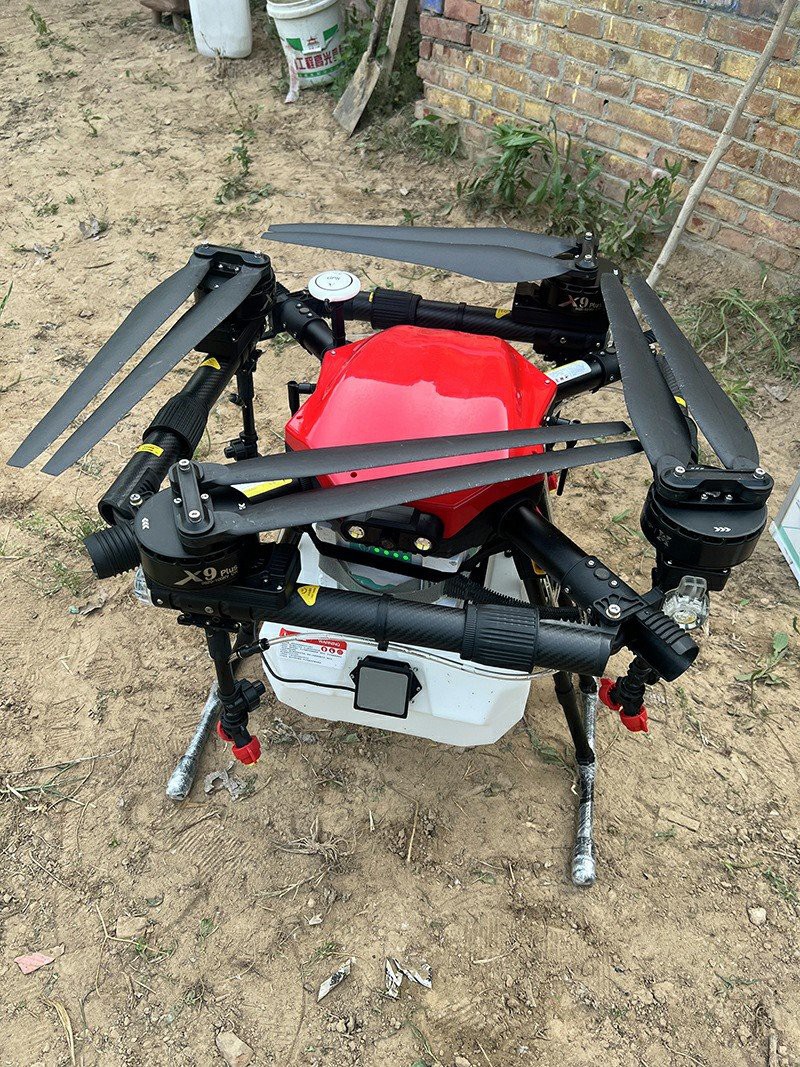
As an agricultural drone supplier, we are committed to providing high - quality drones and support services to help vineyard managers overcome these challenges. Our drones, such as the Crop Sprayer Drone, are designed to meet the specific needs of vineyard management. If you are interested in using agricultural drones for your vineyard, we encourage you to contact us for a consultation. We can help you determine the best drone solutions for your vineyard and guide you through the process of integrating drones into your management practices.
References
- Gil, J., & Buddenbaum, H. (Eds.). (2016). Precision agriculture for winegrowing. Springer.
- Zhang, C., & Kovacs, A. (2012). An overview of the use of unmanned aerial systems (UAS) in precision agriculture. Computers and Electronics in Agriculture, 83, 18-26.