

The vigorous expansion of the low-altitude economy has become a powerful driving force reshaping the development trajectory of the global FPV drone sector, as gradual airspace opening, standardized regulatory frameworks and diversified commercial scenarios jointly stimulate sustained market expansion for consumer-oriented FPV products. Latest industry research indicates that the overall value of the global FPV drone market reached 2.8 billion US dollars in 2025, with projections pointing toward a market scale exceeding 8.3 billion US dollars by 2034 at a compound annual growth rate of 12.8%, a growth pace far outperforming traditional consumer aerial photography drones. As economies around the world roll out systematic management rules for airspace below 1,000 meters, recreational FPV racing, freestyle flight, immersive cinematic shooting and casual flying activities are steadily stepping out of niche enthusiast circles and evolving into mainstream outdoor consumption options for ordinary consumers across continents. Defined as all economic activities operating within low-altitude airspace, the low-altitude economy covers drone operations, aerial tourism, urban air mobility, aerial inspection and the construction of corresponding supporting infrastructure, and regional policy adjustments in North America, the European Union, Southeast Asia and China over the past two years have effectively eased the biggest bottleneck restricting FPV popularization, which was overly restrictive flight administration. Many jurisdictions have introduced simplified registration requirements for drones weighing under 250 grams, a mainstream weight specification for entry-level cinewhoop FPV models, allowing novice pilots to carry out legal recreational flights without cumbersome official filing procedures. Governments and private operators are also building dedicated FPV racing tracks, designated low-altitude flight parks and aerial activity demonstration zones worldwide, creating safe, regulated venues for competitive tournaments, pilot training camps and enthusiast community gatherings. As a key participant in global low-altitude industrial layout, China is expected to see its domestic low-altitude economy scale break through one trillion RMB in 2026, continuously releasing long-term policy dividends for local FPV complete machine manufacturers and export-oriented component supply chains. Driven by the commercialization progress of low-altitude airspace, consumer-grade FPV drones have long transcended simple competitive entertainment and formed three solid demand pillars across the global marketplace. FPV racing and freestyle flying maintain stable momentum thanks to rising viewership of the Drone Racing League and various regional domestic tournaments, pushing up market demand for ready-to-fly FPV kits, spare frames, brushless motors and digital FPV goggles among amateur pilots, while all-in-one pre-assembled entry-level packages lower technical barriers significantly and attract teenagers and outdoor hobbyists to join the FPV community. Cinematic FPV creation has also gained massive traction on short-video platforms including YouTube, TikTok and Instagram, as the dynamic, first-person immersive camera movements achievable with FPV drones cannot be replicated by traditional gimbal-equipped drones, making such equipment essential for travel content creators, commercial advertisers and promotional film production teams; cinematic-focused FPV products now account for more than 35 percent of total sales within the consumer FPV segment. In addition, individual operators adopt compact FPV units for real estate aerial shooting, property condition checks and small-area agricultural patrol work, building a connection between consumer and industrial FPV markets and lifting average product selling prices for retailers and manufacturers alike. From a geographic perspective, the Asia-Pacific region holds a 38.7 percent revenue share of the global FPV market thanks to its complete industrial chain, serving as the world's largest production and consumption base, while North America and Europe maintain steady mature-market consumption, and Southeast Asia, Latin America and the Middle East register the fastest year-on-year demand growth, emerging as core overseas growth destinations for Chinese FPV brands, which control over 75 percent of global production capacity for FPV spare parts and accessories. To adapt to complex urban low-altitude flight environments, FPV manufacturers keep accelerating technical upgrades centered on low-latency digital video transmission, lightweight structural design and basic obstacle avoidance functionality. New-generation digital video transmitter systems deliver millisecond-level latency and strong anti-interference performance, effectively solving signal dropout problems during flights amid dense buildings, upgraded lithium polymer batteries with improved energy density remedy the long-standing short flight time drawback of small-format FPV drones, and ready-to-fly and bind-and-fly pre-configured products gradually replace traditional fully self-assembled setups to match mainstream consumer demand for unbox-and-fly convenience. Optimized flight control tuning software and beginner-friendly assisted flight modes meanwhile reduce collision and crash risks during urban low-altitude flights, helping brands improve user stickiness and repeat purchase rates over the long run. Even with promising overall growth momentum, the consumer FPV industry still faces notable constraints amid ongoing low-altitude economy development. Regulatory rules concerning drone flight permission, user registration and liability definition remain fragmented from country to country and even between states and provinces within single nations, raising compliance costs for cross-border FPV product sales and international pilot activities. Intense homogenized price competition within mid-to-low-end segments squeezes profit margins for small and medium-sized component manufacturers focusing on entry-level frames, cameras and power systems. Incidents involving unauthorized illegal low-altitude flight, building collisions and privacy disputes occasionally trigger stricter temporary regulatory controls, slowing the overall penetration speed of consumer FPV products, and the supply of systematic professional FPV flight training resources fails to keep pace with rapid expansion of the global user base. Leading market institutions anticipate that consumer-grade FPV will sustain annual growth rates above 20 percent through 2030, riding firmly on the development wave of the low-altitude economy with three clear evolutionary trends ahead. Product segmentation will deepen continuously, with ultra-light 250-gram entry-level FPV models capturing mass beginner market share and high-end customized cinematic and racing variants securing premium profit margins for brands. The surrounding industrial ecosystem will mature at an accelerated pace, with value-added services such as professional flight training, flight insurance, flight venue membership and after-sales maintenance becoming fresh profit drivers for FPV merchants and retailers. Intelligence and regulatory compliance will gradually turn into core competitive advantages, as built-in modules compatible with unmanned traffic management systems, automatic geofencing restrictions and active collision avoidance functions are set to become standard configurations for mainstream consumer FPV drones, enabling fully standardized and orderly low-altitude flight operations. With ongoing activation of low-altitude airspace resources on a global scale, consumer FPV drones are poised to transform from a niche tech hobby into an important consumer track within the trillion-dollar low-altitude economy, unlocking sustained opportunities for overseas market expansion and brand upgrading for FPV complete machine makers, component suppliers and cross-border retailers around the globe.
Meta Title: Low-Altitude Economy Drives FPV Industry Growth | Global Consumer FPV Market Outlook 2026
Meta Description: Learn how low-altitude economy policies fuel global FPV drone market expansion, covering market size, application trends, industry challenges and long-term outlook for racing and cinematic consumer FPV drones.
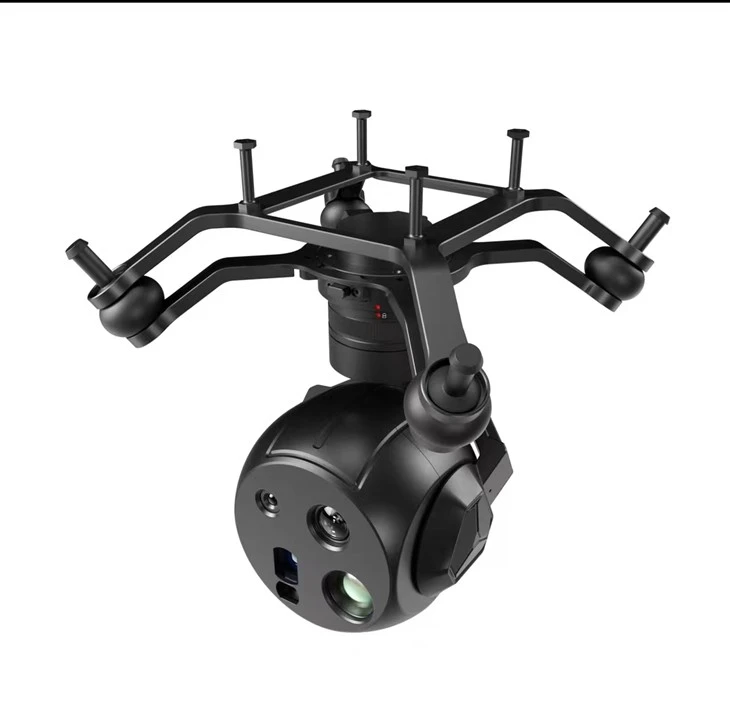





![[lesong] Launches New High-Performance Drone Infrared Gimbal Pod For 24/7 Aerial Intelligence](https://img01.v15cdn.com/gallery/4x3/293.webp)