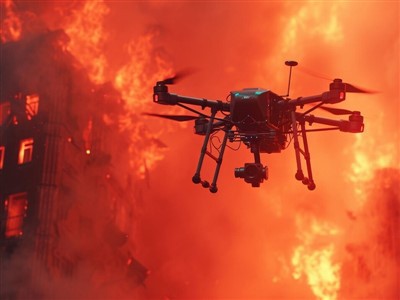

Flying a Vtol Fixed Wing Drone comes with a set of regulations that every operator, especially those in the business like me as a Vtol Fixed Wing Drone supplier, needs to understand thoroughly. These regulations are in place to ensure safety, privacy, and the efficient use of airspace.
General Regulatory Framework
The regulations for flying drones, including Vtol Fixed Wing Drones, vary from country to country. In many regions, national aviation authorities are responsible for setting and enforcing these rules. For instance, in the United States, the Federal Aviation Administration (FAA) has established a comprehensive set of regulations for unmanned aircraft systems (UAS).
One of the fundamental requirements is registration. Most countries require drone operators to register their drones, including Vtol Fixed Wing Drones, if they meet certain criteria such as weight. Registration helps authorities keep track of drones and their operators, which is crucial for safety and accountability. In the US, drones weighing between 0.55 pounds (250 grams) and 55 pounds (25 kilograms) must be registered with the FAA.
Airspace Restrictions
Airspace restrictions are a critical part of drone regulations. Vtol Fixed Wing Drones, like other drones, are generally prohibited from flying in certain areas. These areas often include airports, military bases, and other sensitive locations. The reason behind these restrictions is to prevent interference with manned aircraft and to protect national security.
In the vicinity of airports, there are specific buffer zones where drone flights are restricted or require special authorization. For example, in the US, drones are not allowed to fly within 5 miles of an airport without prior permission from the airport operator and air traffic control. This is to ensure that drones do not pose a risk to takeoffs and landings of commercial and private aircraft.
High - altitude airspace is also restricted. Most regulations limit the maximum altitude at which a drone can fly. In many countries, the maximum altitude for civilian drones is around 400 feet (122 meters) above ground level. This is to prevent drones from entering the airspace used by manned aircraft, which typically operate at higher altitudes. If you are interested in a High Altitude Fixed Wing Drone, you need to be aware of the strict regulations regarding high - altitude flights.
Flight Rules
When flying a Vtol Fixed Wing Drone, there are several flight rules that operators must follow. Firstly, the drone must always be within the visual line of sight (VLOS) of the operator. This means that the operator should be able to see the drone with unaided vision (except for corrective lenses) at all times during the flight. The reason for this rule is to allow the operator to avoid collisions with other objects, including other aircraft, buildings, and people.
Secondly, drones must not fly over people who are not directly participating in the operation. This is to protect the safety and privacy of individuals on the ground. For example, you cannot fly a Vtol Fixed Wing Drone over a crowded stadium or a public park full of people. However, there are some exceptions for certain commercial operations where additional safety measures are in place.
Another important flight rule is related to speed. Most regulations limit the speed at which a drone can fly. This is to ensure that the operator has enough time to react to any unexpected situations and to prevent the drone from causing excessive damage in case of a collision.
Privacy and Data Protection
In addition to safety regulations, there are also privacy and data protection regulations that apply to Vtol Fixed Wing Drones. Drones are often equipped with cameras and other sensors, which can be used to collect data. Operators must respect the privacy of individuals and not use the drone to collect data in an unauthorized or invasive manner.
For example, in many countries, it is illegal to use a drone to spy on someone or to collect data in a way that violates their privacy rights. Operators must also ensure that any data collected by the drone is stored and processed in accordance with data protection laws.
Commercial vs. Recreational Use
The regulations for flying a Vtol Fixed Wing Drone can also differ depending on whether the use is commercial or recreational. Recreational use typically has fewer requirements, but operators still need to follow the basic safety rules. For example, in the US, recreational drone operators must follow the FAA's "Recreational UAS Safety Test" (TRUST) requirements.
On the other hand, commercial use of Vtol Fixed Wing Drones usually requires additional certifications and permissions. In the US, commercial drone operators must obtain a Remote Pilot Certificate from the FAA. This involves passing a knowledge test that covers topics such as airspace regulations, weather, and drone flight operations.
If you are considering using a Vtol Fixed Wing Drone for commercial purposes, it is essential to understand and comply with all the relevant regulations.
International Regulations
For those who plan to fly Vtol Fixed Wing Drones in different countries, it is important to be aware of the international regulations. The International Civil Aviation Organization (ICAO) provides guidelines for the regulation of drones at an international level. However, each country may have its own implementation of these guidelines.
Before flying a drone in a foreign country, operators should research the local regulations and obtain any necessary permissions. Some countries may require special permits for foreign drone operators, and there may be additional restrictions or requirements.
Our Role as a Vtol Fixed Wing Drone Supplier
As a Vtol Fixed Wing Drone supplier, we play an important role in ensuring that our customers are aware of the regulations. We provide information about the regulations to our customers when they purchase our drones. We also offer training and support to help our customers understand and comply with the rules.
Our drones are designed to be compliant with the regulations in many countries. For example, our drones are equipped with features such as altitude limiters and geofencing to help operators stay within the legal limits.
We also understand the importance of long - range operations for some of our customers. Our Long Range Fixed Wing Drone is designed to meet the needs of various applications, but we always remind our customers to comply with the regulations regarding long - range flights.


Contact for Purchase and Consultation
If you are interested in purchasing a Vtol Fixed Wing Drone or have any questions about the regulations, we are here to help. We can provide you with detailed information about our products and assist you in understanding the regulatory requirements. Contact us to start a discussion about your specific needs and how our drones can meet them.
References
- Federal Aviation Administration (FAA). "Regulations for Unmanned Aircraft Systems."
- International Civil Aviation Organization (ICAO). "Drone Regulations Guidelines."
- Various national aviation authorities' websites for specific country - based regulations.