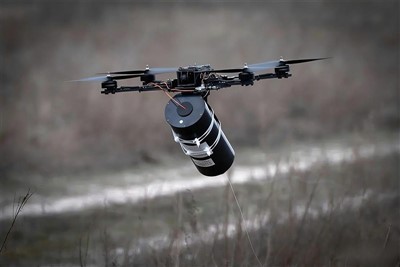

Can a Disaster Relief Fire Drone be used for long - term fire monitoring?
As a supplier of Disaster Relief Fire Drones, I've been frequently asked whether these drones can be effectively used for long - term fire monitoring. In this blog, I'll explore this question in detail, examining the capabilities, limitations, and potential of using disaster relief fire drones for long - term fire surveillance.


The Capabilities of Disaster Relief Fire Drones
Disaster Relief Fire Drones are equipped with advanced technologies that make them suitable for fire - related tasks. These drones are typically outfitted with high - resolution cameras, thermal imaging sensors, and sometimes even gas sensors. The high - resolution cameras can capture detailed visual images of the fire scene, allowing firefighters and emergency responders to assess the situation accurately. Thermal imaging sensors, on the other hand, can detect heat signatures, which are crucial for identifying hotspots and areas where the fire may spread.
One of the significant advantages of these drones is their mobility. They can quickly reach areas that are difficult for ground - based firefighters to access, such as high - rise buildings or remote forest areas. For instance, our High Rise Firefighting Drone is specifically designed to operate in urban environments, where it can fly up to great heights and provide real - time data on the fire situation in high - rise structures.
In addition, disaster relief fire drones can cover large areas in a relatively short time. They can fly over a forest or a large industrial complex and collect data on the spread of the fire. This data can be transmitted in real - time to a command center, enabling decision - makers to make informed decisions about resource allocation and firefighting strategies.
Long - term Fire Monitoring Requirements
Long - term fire monitoring requires a continuous and reliable data collection system. The monitoring system should be able to operate for extended periods without interruption, providing up - to - date information on the fire's status. This means that the drones used for long - term monitoring need to have a long flight endurance, reliable communication systems, and the ability to withstand various environmental conditions.
Flight endurance is a critical factor. A drone with a short flight time will need to be frequently landed and recharged, which can disrupt the monitoring process. Our Disaster Relief Fire Drone is designed with a high - capacity battery that allows for extended flight times. This enables it to stay in the air for longer periods, providing continuous monitoring of the fire.
Reliable communication is also essential. The drone needs to be able to transmit data to the command center without interference. Our drones are equipped with advanced communication systems that use secure and stable frequencies to ensure that the data is transmitted accurately and in real - time.
Challenges in Long - term Fire Monitoring with Drones
Despite their capabilities, there are several challenges in using disaster relief fire drones for long - term fire monitoring. One of the main challenges is the limited payload capacity. Drones can only carry a certain amount of equipment, and this can limit the types of sensors and cameras that can be installed. For example, if a drone is equipped with a high - resolution camera and a thermal imaging sensor, it may not have enough space or power to carry additional sensors for monitoring air quality or gas emissions.
Another challenge is the environmental conditions. Fires can create extreme heat, smoke, and strong winds, which can affect the drone's performance. High temperatures can damage the drone's electronic components, and smoke can reduce the visibility of the cameras. Our Commercial Fire Drone is designed to withstand some of these environmental challenges, but there are still limits to its capabilities.
Regulatory issues also pose a challenge. In many countries, there are strict regulations regarding the use of drones, especially in areas where there are ongoing emergencies. These regulations can limit the flight paths and operating times of the drones, which can affect their effectiveness in long - term fire monitoring.
Solutions and Future Developments
To overcome the challenges, ongoing research and development are focused on improving the capabilities of disaster relief fire drones. For example, new battery technologies are being developed to increase the flight endurance of the drones. These batteries can store more energy and recharge faster, allowing the drones to stay in the air for longer periods.
In addition, advancements in sensor technology are making it possible to install more sensors on the drones without increasing the payload significantly. For example, miniaturized gas sensors can be used to detect harmful gases in the fire area, providing additional information for firefighters.
Future developments may also include the use of swarms of drones. A swarm of drones can work together to cover a larger area and provide more comprehensive data. This can improve the effectiveness of long - term fire monitoring and reduce the impact of individual drone failures.
Conclusion
In conclusion, disaster relief fire drones have the potential to be used for long - term fire monitoring. Their mobility, advanced sensors, and real - time data transmission capabilities make them valuable tools in fire management. However, there are still challenges that need to be addressed, such as limited payload capacity, environmental conditions, and regulatory issues.
As a supplier of Disaster Relief Fire Drones, we are committed to continuous innovation and improvement. Our goal is to provide the best - in - class drones that can meet the needs of long - term fire monitoring. If you are interested in our products or have any questions about using disaster relief fire drones for long - term fire monitoring, we encourage you to contact us for a detailed discussion and potential procurement.
References
- Firefighting Drone Technology: A Review. Journal of Fire Science and Technology.
- Impact of Environmental Conditions on Drone Performance in Fire Monitoring. International Journal of Disaster Management.
- Regulatory Framework for Drone Use in Emergency Situations. World Drone Association Report.